
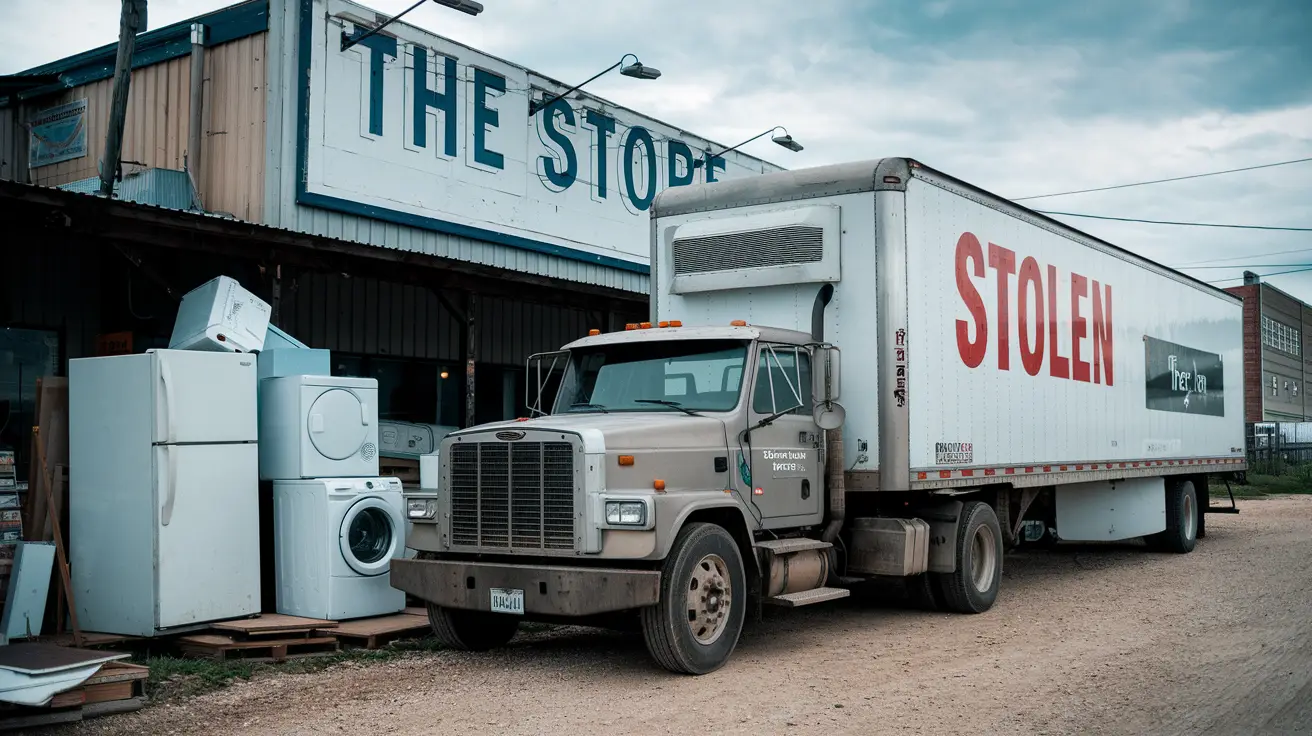
Trailer theft, a crime that can cripple businesses and disrupt personal lives, is a pervasive issue across the United States. Yet, the official statistics often paint an incomplete picture, significantly underrepresenting the true scale of the problem. This discrepancy stems from a complex interplay of factors, leading to a “silent vanishing act” where trailers disappear without leaving a clear trace in crime reports.
One primary reason for underreporting is the lack of a standardized, nationwide tracking system for trailers. Unlike motor vehicles, which are rigorously tracked via VINs and state-level databases, trailers often fall into a regulatory gray area. Many states don’t require titling or registration for smaller utility trailers, making it difficult to establish ownership and track their movement. This lack of a central database means that when a trailer is stolen, there’s no easy way to verify its existence or track its recovery.
Furthermore, victim apathy and perceived futility play a significant role. Many trailer owners, particularly those with older or less valuable units, believe that reporting the theft is a waste of time. They may assume law enforcement lacks the resources to investigate, or that the chances of recovery are slim. This perception is often reinforced by the difficulty in proving ownership without proper documentation. Consequently, they absorb the loss and move on, leaving the crime unreported.
Insurance coverage, or the lack thereof, further complicates the issue. Many standard auto insurance policies don’t cover trailer theft, requiring specialized coverage that many owners neglect to purchase. Without insurance, the financial incentive to report the theft is diminished, especially when the trailer’s value is perceived as low.
The nature of trailer theft itself contributes to underreporting. Unlike carjackings or home burglaries, which often involve direct confrontation or clear signs of forced entry, trailer theft can be subtle. A trailer parked in a remote location or on a construction site can be easily hooked up and driven away without attracting attention. This stealth factor makes it difficult to detect the crime in real-time and often delays reporting, if it occurs at all.
Law enforcement challenges also contribute to the underreporting. Investigating trailer theft can be resource-intensive, requiring officers to track down serial numbers, investigate pawn shops and online marketplaces, and potentially collaborate with agencies across state lines. With limited resources and competing priorities, some departments may struggle to dedicate sufficient attention to these cases.
The impact of this underreporting is far-reaching. It obscures the true cost of trailer theft, both financially and emotionally. Businesses reliant on trailers for their operations suffer significant losses, impacting their bottom line and potentially leading to job losses. Individuals who use trailers for recreational activities or personal transportation experience disruption and financial hardship.
Addressing this issue requires a multi-pronged approach:
- Standardized Registration and Titling: Implementing a nationwide system for registering and titling trailers, similar to motor vehicles, would create a robust tracking mechanism.
- Enhanced Law Enforcement Training: Providing law enforcement with specialized training on trailer theft investigation techniques and resources would improve their ability to recover stolen trailers.
- Public Awareness Campaigns: Educating trailer owners about the importance of reporting theft, documenting ownership, and securing their trailers would encourage proactive measures.
- Improved Insurance Options: Offering affordable and comprehensive trailer insurance policies would incentivize reporting and provide financial protection to victims.
- Technological Solutions: Encouraging the use of GPS tracking devices and other anti-theft technologies would deter theft and aid in recovery.
By acknowledging the underreporting problem and implementing these strategies, we can shed light on the silent vanishing act and take meaningful steps to protect trailer owners and combat this pervasive crim