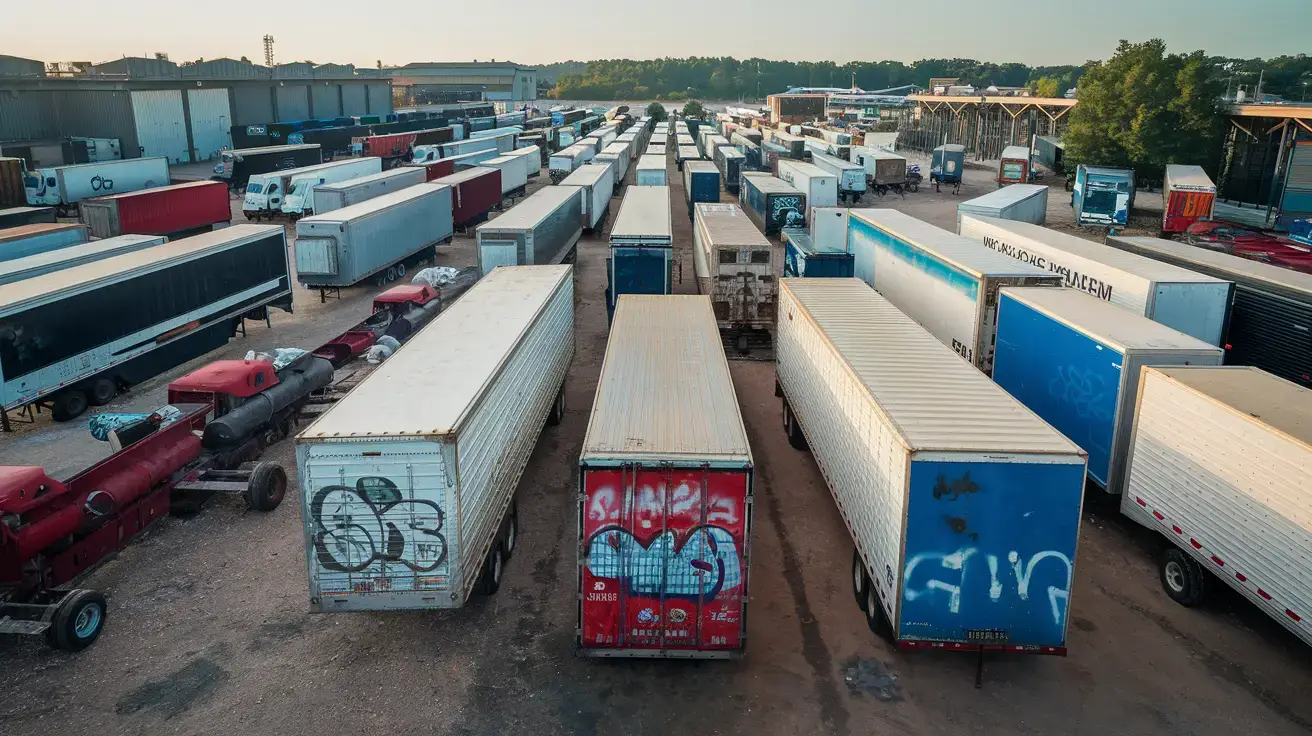
The open road, a symbol of freedom and commerce, is increasingly marred by a less romantic reality: a thriving black market for stolen trailers and their constituent parts. While the theft of vehicles often grabs headlines, the pilfering of trailers, from utility haulers to high-value semi-trailers, represents a significant and growing criminal enterprise with far-reaching economic consequences.
This illicit trade operates within a complex network, driven by factors ranging from simple financial desperation to sophisticated organized crime. Understanding the mechanics of this black market is crucial for businesses, law enforcement, and individuals alike.
The Mechanics of the Theft:
Theft itself can be remarkably simple. Unsecured trailers, particularly those parked in remote locations or lacking robust anti-theft measures, are prime targets. Criminals employ various techniques, from basic hotwiring and bypassing security systems to more advanced methods involving cloned keys and forged documentation.
The stolen goods then enter a complex distribution chain. They might be:
- Quickly resold: Often to unsuspecting buyers through online marketplaces or informal channels. These trailers may be repainted, have their VINs altered, or be sold with fraudulent paperwork.
- Disassembled for parts: High-demand components like axles, wheels, tires, and braking systems are stripped and sold individually, making them harder to trace.
- Shipped overseas: Entire trailers or disassembled parts can be exported to regions with less stringent regulations or higher demand.
- Used for illicit activities: Stolen trailers can be repurposed for transporting contraband, serving as mobile storage units for criminal operations, or even used in further thefts.
Driving Factors and Economic Impact:
Several factors fuel this black market:
- High demand and limited supply: The rising cost of new trailers and parts, coupled with supply chain disruptions, creates a lucrative opportunity for criminals.
- Lack of robust tracking and enforcement: Compared to vehicles, trailer registration and tracking systems can be less comprehensive, making it easier for stolen units to disappear.
- The allure of quick profit: The relatively low risk and potential for substantial financial gain attract both opportunistic thieves and organized crime syndicates.
- Economic hardship: In times of economic uncertainty, individuals may resort to theft as a means of survival.
The economic impact is substantial. Businesses suffer losses from stolen equipment, increased insurance premiums, and disrupted operations. Consumers face the risk of purchasing stolen goods, potentially leading to legal complications and financial losses. Furthermore, the black market undermines legitimate businesses and distorts market prices.
Combating the Black Market:
Addressing this issue requires a multi-faceted approach:
- Enhanced security measures: Businesses and individuals should invest in robust security systems, including GPS tracking, wheel locks, hitch locks, and high-quality surveillance cameras.
- Improved registration and tracking: Implementing standardized and nationwide trailer registration and VIN verification systems can help deter theft and facilitate recovery.
- Strengthened law enforcement efforts: Increased collaboration between law enforcement agencies, both domestically and internationally, is essential for disrupting criminal networks and recovering stolen goods.
- Public awareness campaigns: Educating consumers about the risks of purchasing used trailers and parts from unverified sources can help reduce demand for stolen goods.
- Stricter online marketplace regulations: Online platforms must implement stricter verification procedures for sellers and listings to prevent the sale of stolen trailers and parts.
The black market for stolen trailers and parts is a complex challenge that demands vigilance and collaboration. By understanding the mechanisms of this illicit trade and implementing effective countermeasures, we can work towards securing our roads and protecting our businesses and communities